


In a world full of parenting frameworks and systems, many families are beginning to ask a deeper question: what does it really mean to be raising conscious children?
Modern parenting is often built on systems.
Educational systems.
Behavior systems.
Discipline systems.
Developmental systems.
Yet the deeper question remains: are these systems helping children remember who they are, or slowly teaching them to forget?
The philosophy of Vladimir Megre and the character Anastasia suggests something radical about raising conscious children. In the third book of the series, The Space of Love, we are invited to consider that the wisdom humanity searches for may already live within the hearts of our children — if only we allow that wisdom to remain intact.
According to this perspective, children who grow up without heavy spiritual corruption or rigid dogma may one day show humanity the path forward.
In other words, the next generation may not simply inherit the future.
They may guide it.
Today's Reality Is Yesterday’s Thinking
One powerful idea expressed in Megre’s writings is this:
“Everything in the world is relative… Today’s reality is the result of yesterday’s thinking.”
If this is true, then the world our children inherit is largely shaped by the beliefs and assumptions we have carried forward from generations before us.
Another reflection from the same philosophy reminds us:
“The criteria of human science are always temporary. There are truths that are valid beyond the present moment.”
Much of modern parenting advice changes every decade.
One generation encourages strict obedience.
Another prioritizes independence.
Another emphasizes emotional intelligence.
These frameworks evolve constantly because they are shaped by temporary cultural thinking.
Yet children themselves often reveal something far older and more enduring — a natural intuition about life, relationships, and the living world.
When Systems Replace the Soul
Megre’s work also challenges readers to question systems themselves.
“No matter what the system, it is still only a system.”
Systems often seek to mold individuals into predictable patterns so they can function within the structure that created them.
In education, culture, and even parenting philosophies, systems can unintentionally pull children away from their inner voice.
They teach children how to behave correctly within the system — rather than helping them discover who they truly are.
Over time, this pattern repeats across generations.
Children grow up shaped by systems.
They become parents.
Then they unknowingly pass those same systems on to their own children.
Century after century, systems come and go.
But the deeper concern is whether these systems help human beings discover their inherent beauty, creativity, and purpose — or quietly distance them from it.
✨ At Little Guru & Co., we believe the words children hear — and the messages they carry — shape how they see themselves and the world.
Explore apparel and resources designed to reflect the truth children already hold within:

Children Learn From the Living World
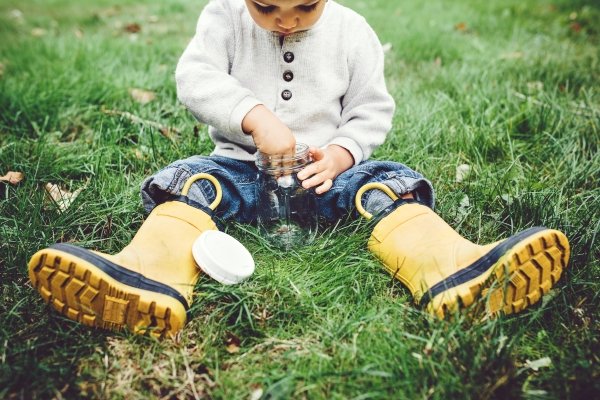
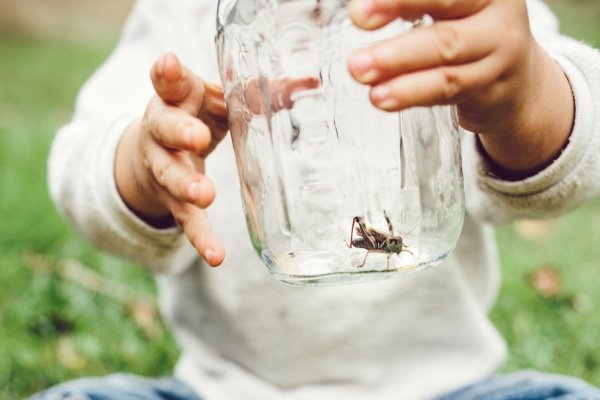
One of the most compelling ideas shared by the character Anastasia is the importance of nature in child development.
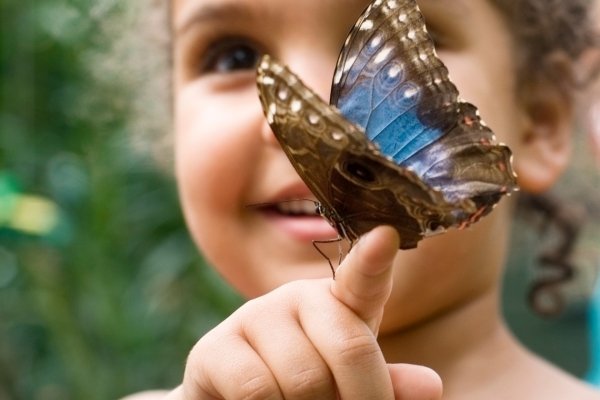
She suggests that even the smallest living beings — insects, plants, and ecosystems — represent incredibly complex and perfect mechanisms.
A simple bug, she argues, is a more sophisticated creation than any toy manufactured by humans.
When children spend time observing the living world, they are engaging with something profoundly interconnected.
Every blade of grass.
Every insect.
Every tree.
Each is part of a larger system of creation.
Through interacting with these living systems, children begin to sense their own place within the universe.
Artificial objects, by contrast, often lack that deeper connection.
They may entertain the mind, but they rarely nourish the child’s understanding of life itself.
This idea aligns with modern research on nature and child development, which consistently shows that time outdoors improves cognitive development, emotional resilience, and creativity.
Children who grow up close to nature often retain a stronger sense of curiosity and awareness.
When Children Become Our Teachers
Many parents eventually discover something surprising. Children are not only learning from us. We are learning from them. Their questions reveal the assumptions we have stopped examining. Their curiosity reopens our own sense of wonder. Their honesty exposes truths adults have learned to overlook.
In this way, children become mirrors.
They show us what life looks like before the layers of conditioning accumulate.
Listen for the words you habitually use about yourself and others.
This perspective echoes the idea explored in our reflection →
Your Child Is Your Teacher: Lessons from Little Gurus.
It also connects to the deeper spiritual idea explored in →
Before You Were Born, You Whispered to the Stars.
Both reflections explore the possibility that children arrive with wisdom we may have forgotten.
Listening With the Heart
Perhaps the most powerful advice in Megre’s philosophy is surprisingly simple:
Look around.
Observe carefully.
Try to understand life through the heart.
Systems may provide structure. But the heart often recognizes truths that systems overlook.
Children naturally operate from this place.
They question freely.
They notice beauty instinctively.
They sense injustice immediately.
Rather than rushing to shape those instincts, conscious parenting invites us to protect them.
To allow children enough space to remain connected to their inner knowing.
Because if today’s reality is truly the result of yesterday’s thinking…
Then perhaps the future depends on a new kind of thinking — one that begins with the clarity children already possess.
Wrap Them in Truth...
Raising conscious children begins with the words they hear about themselves.
Choose messages that honor the wisdom they already carry.
Explore the Little Guru collection →