


We are born without boxes.
Just breath and wonder and the endless sky of possibility.
And then, little by little, the world begins to name us — like sticky notes pressed to our skin: too loud, too quiet, good girl, troublemaker. We wear them until they feel like ours, forgetting that we are more than any word that could fit on a scrap of paper.
This reflection is an invitation to notice the language we carry and pass on — the positive parenting language that quietly shapes how our children come to understand themselves.

The Labels We Learn to Carry
We learn to name things before we learn to question them.
The first words we hear about ourselves often come from outside of us: shy, wild, difficult, sweet, too much, not enough. We tuck these labels into our pockets, carrying them long after they’ve outlived their truth.
But here’s the thing about labels: they are rarely the whole story. They are a single brushstroke mistaken for the whole painting.
How Labels Shape a Child’s Identity
Over time, children begin to internalize the words they hear most often. What begins as something said casually — a moment of frustration, a quick description, a joke repeated too many times — can slowly settle into the way a child understands themselves.
A child labeled “the quiet one” may start to believe their voice isn’t meant to be heard. One called “the dramatic one” may begin to feel that their emotions are something to apologize for. Even praise can quietly narrow possibility if it becomes identity instead of encouragement.
This is how language becomes identity. Not all at once, but through repetition — through the small sentences that children hear again and again until they begin to sound like truth.
✨ The words we speak become mirrors our children look into.
Explore The Mirror and the Message — a gentle guide to the words and reflections that shape identity.
Why Do Parents Label Children?
⚡ “That’s bad.” “That’s good.”
⚡ “She’s the artistic one.” “He’s the troublemaker.”
⚡ “You’re the shy one.” “You’re always so messy.”
Labels offer a sense of order in a complex world. They help us categorize, predict, and feel in control. When something has a name, it feels easier to understand — easier to manage. In many ways, labeling is one of the mind’s oldest tools for making sense of the unknown.
But people are not simple categories. We are changing, layered, and full of contradiction. What might be true of us in one moment of our lives may not hold in the next.
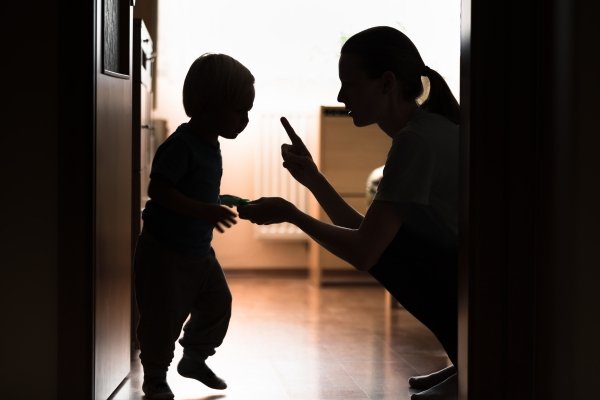
Over time, labels can harden into invisible fences. They begin as descriptions but slowly turn into definitions, quietly shaping what we believe is possible for ourselves and for our children. A child who hears they are “the quiet one” may begin to shrink their voice. One labeled “the troublemaker” may start to believe misbehavior is part of their identity rather than something they are simply learning to navigate.
Breaking free from labels is not just an act of rebellion, but an act of self-trust. It is the willingness to believe that who we are — and who our children are becoming — is far more expansive than any word that has ever been used to describe us.

Rewriting the Story Through Positive Parenting Language
Practicing positive parenting language doesn’t mean avoiding honesty — it means choosing words that allow growth instead of confinement. Here’s how we can begin to dissolve the boxes:
1. Notice the language
Listen for the words you habitually use about yourself and others.
2. Ask: “Is this the whole truth?”
Or is it one version of you from one moment in time?
3. Replace judgment with curiosity
Instead of “That’s bad,” try “What did you notice?” or “What happened there?”
4. Speak to possibility, not permanence
Swap “You’re always so messy” for “You’re learning how to take care of your space.”
5. Offer space for change
Remind your child (and yourself) that we are all allowed to grow beyond what’s been said about us.
✨ Researchers and educators have long explored how the words we use shape a child’s behavior and self-understanding. If you’re curious to explore this idea further, this short guide on using positive language with children offers practical examples of how small shifts in wording can encourage growth rather than shame.
Examples of Positive Parenting Language
These examples show how empowering language for children can shift the way they see themselves and the world:
1. Old Label: You’re shy.
Rewrite: You take your time before letting people in.
2. Old Label: You’re bossy.
Rewrite: You have a strong vision and you’re learning how to lead with kindness.
3. Old Label: You’re the athletic one.
Rewrite: You’re exploring what your body can do and how it loves to move.
4. Old Label: You’re dramatic.
Rewrite: You feel things deeply and express yourself vividly.
5. Old Label: You’re a troublemaker.
Rewrite: You’re learning how to channel your energy and curiosity into new directions.
For ourselves
🌟 Write down the labels you’ve been given.
🌟 Next to each one, write another truth — a fuller truth.
Notice how your body feels when you read the rewritten version. This is one way of rewriting limiting beliefs you’ve carried — turning what was once confining into something expansive.
For our children
🌟 Name behaviors, not identities.
🌟 Praise effort and process, not fixed traits.
Let them hear you speak kindly about your own evolution. By doing so, you’re modeling positive parenting language that gives them freedom to grow.
✨ The words children hear repeatedly begin to shape the way they understand themselves and their place in the world. Research and parenting resources increasingly emphasize the importance of positive language in the parent–child relationship, showing how small shifts in wording can nurture confidence, cooperation, and emotional security. If you’d like to explore this idea further, this article offers a helpful overview of how language influences a child’s development.
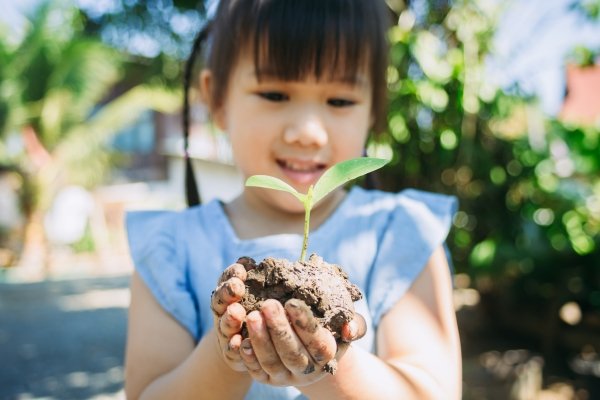
The ripple effect
When we change the way we label ourselves, it doesn’t just alter our own self-image — it shifts the way we see everyone around us. Our children grow up in the language we use. They hear the subtle stories we tell about who they are, and they believe us.
By choosing positive parenting language and more conscious words for our children, we plant seeds of self-trust that will grow far beyond our presence. This is the quiet work of letting go of self-judgment, and it ripples outward into every relationship we have.
Sometimes releasing the labels we’ve carried is not about becoming someone new, but about remembering who we were before those words took hold. If this idea resonates with you, you may also enjoy my reflection on re-membering the parts of ourselves we’ve forgotten, where I explore how children often remind us of the truths we once knew.
🌟 Read the reflection: Re-membering: Sacred Wholeness as a Parenting Practice.
You might also wonder
- Why do labels affect children so deeply?
- What language helps children build confidence?
- How can parents replace negative labels with positive parenting language?
Closing reflection
This is the heart of old labels and new possibilities — the courage to release the words that confined us and choose language that allows us to grow.
We are not made to live inside someone else’s sentence. Much of the work of parenting — and healing — is the slow process of re-membering who we were before those sentences were written.
We are made of chapters — ever-changing, ever-widening. When we loosen the grip of the labels we’ve been given, we give ourselves permission to become more. And when we speak to our children in this way, we teach them that they are never confined to one name, one role, one version of themselves.
Wrap them in Truth...
Wrap your children in words that leave room for becoming.
Explore the Little Guru collection →